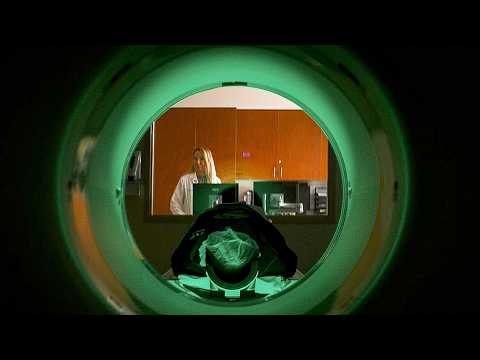
Shaping the future of health
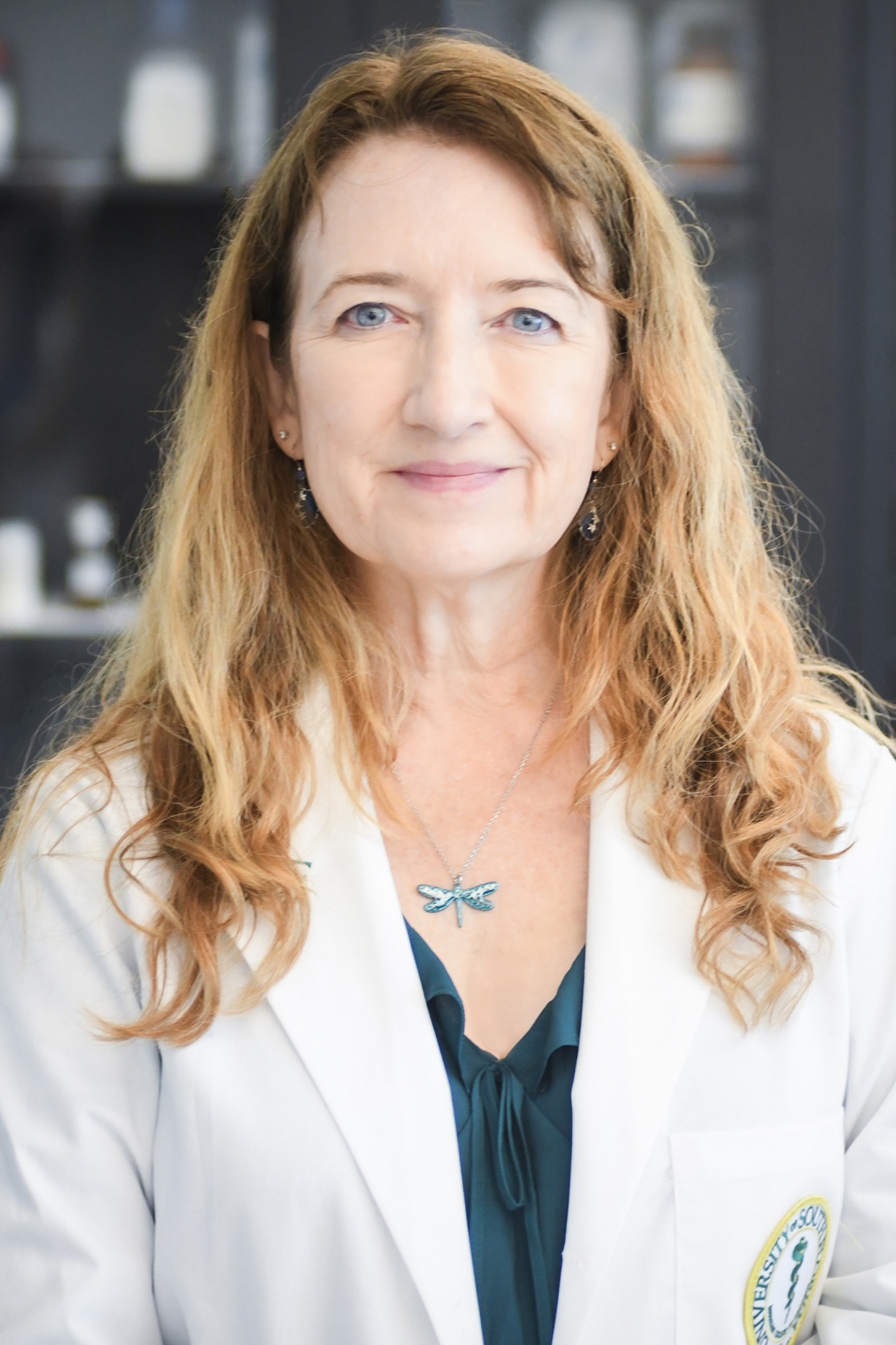
The Morsani College of Medicine has active research programs in basic, translational, and clinical sciences. Research is carried out in Departments, Institutes, Centers and at our Veterans Hospitals and our primary teaching facility, Tampa General Hospital. In addition, there are rich collaborations with the Colleges of Public Health, Nursing and Pharmacy as well as the USF College of Arts and Sciences.
Our goal is to pursue new knowledge in the biomedical sciences, clinical sciences, and healthcare delivery, relevant to human health and disease. Please explore our research initiatives using the tabs above. The resources tab provides information for current faculty to facilitate research efforts.
Laura M. Bohn, PhD
Senior Associate Vice President of Research, USF Health
Vice Dean for Research, Morsani College of Medicine
Professor, Molecular Pharmacology & Physiology
Email: lbohn@usf.edu
Research Day
Celebrating health science research
Despite their different questions and disciplines, they shared a common goal: advancing the science that shapes how people live and receive care.
Those conversations, and hundreds more like them, filled the USF Marshall Student Center during the 36th annual USF Health Research Day, the university’s largest celebration of health sciences research.
Read more about USF Health Research Day 2026.
Health Science Innovation
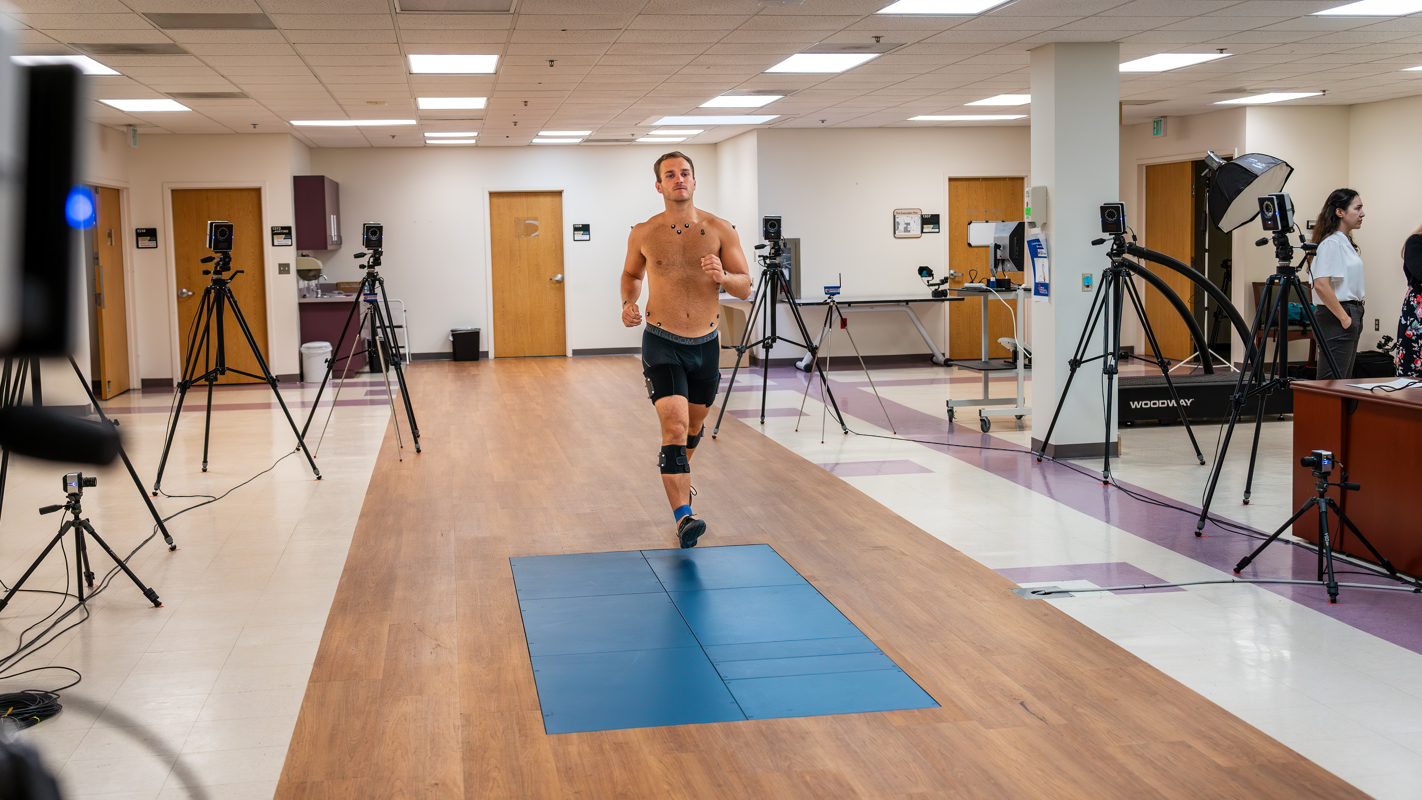
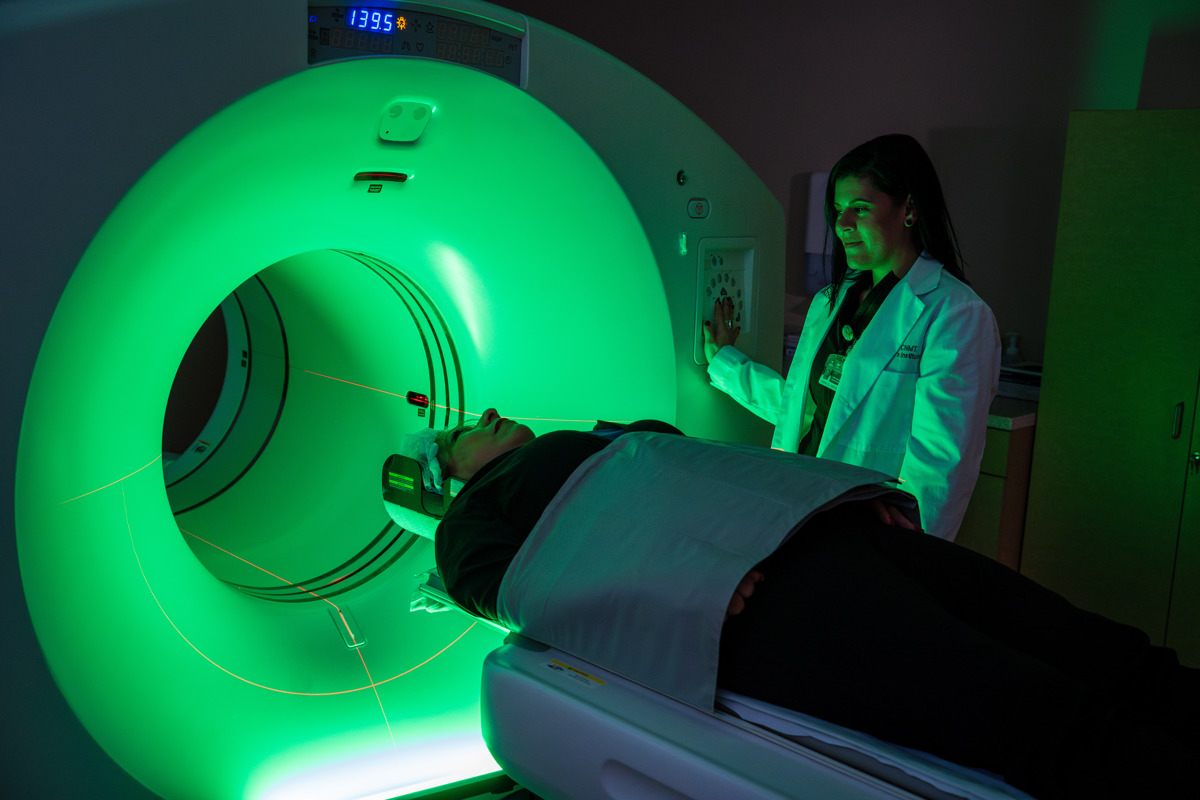

Tattoo or reconstruction? Sixteen-year trends in post mastectomy nipple areolar complex restoration in the United States
Breast cancer is the most frequently diagnosed cancer in women worldwide, and mastectomy often necessitates restorative approaches to preserve cosmetic outcome and quality of life. Nipple-areolar complex (NAC) reconstruction and tattooing are among the most widely described techniques; however, their relative use at the national level remains poorly defined. Using International Classification of Diseases, 9th and 10th revision (ICD-9 and ICD-10) and Current Procedural Terminology (CPT) codes,...
Periodic Catatonia in a Veteran With Post-traumatic Stress Disorder (PTSD) and Traumatic Brain Injury (TBI)
Periodic catatonia is a rare subtype of catatonia characterized by a variety of neuropsychiatric symptoms that follow a cyclical pattern. These episodes typically involve alternating phases of catatonic symptoms separated by periods of remission. Despite this condition being rare, it is still considered a medical emergency and usually requires inpatient care for assessment and treatment. Unfortunately, managing periodic catatonia can be challenging, largely because its underlying biological...
Factors associated with clinical research participation among Medicare beneficiaries with prostate cancer in the United States
INTRODUCTION: Clinical research participation among patients with prostate cancer remains limited, and demographic, clinical, and contextual factors may influence opportunities for participation. Although disparities in prostate cancer diagnosis and treatment are well documented, less is known about the factors associated with clinical research participation in this population. This study examined patient-level and contextual factors associated with clinical research participation among older...
Exploiting KREC: Time for newborn screening and beyond-proceedings from the First International KREC Consortium Meeting
Newborn screening (NBS) for severe combined immunodeficiency using T-cell receptor excision circles has changed the diagnosis and outcomes for infants with profound T-cell lymphopenia. However, patients with severe B-cell lymphopenia are still typically diagnosed only after serious or recurrent infections or irreversible complications. Some countries now measure kappa-deleting recombination excision circles (KREC) together with T-cell receptor excision circles to identify infants with severe...
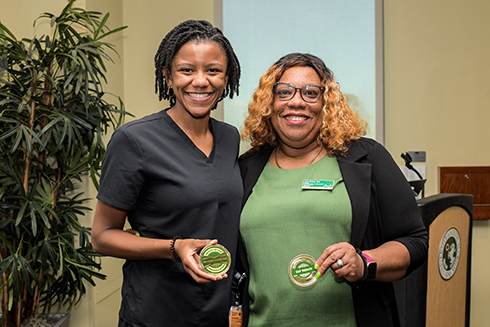
USF Health financial aid director and medical student recognized as Culture Champions
Joan Bailey and Sarah McCrackin were recognized as USF Health Culture Champions for their commitment to serving the students of USF Health.
USF Health financial aid director and medical student recognized as Culture Champions
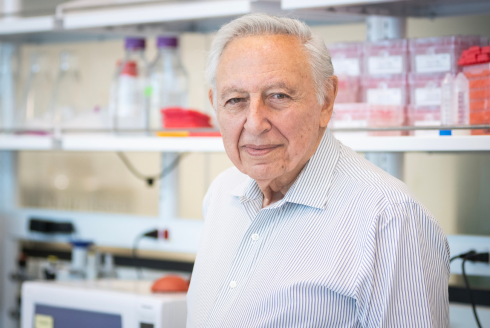
Fifty years later, landmark Robert Gallo discovery recognized as a foundation for modern cancer immunotherapy
A groundbreaking discovery by Dr. Gallo half a century ago helped establish the scientific foundation for modern cancer immunotherapy. Now, two of the world’s leading immunologists are revisiting the discovery and its enduring impact on medicine in a new Landmark Perspective in Science.
Fifty years later, landmark Robert Gallo discovery recognized as a foundation for modern cancer immunotherapy
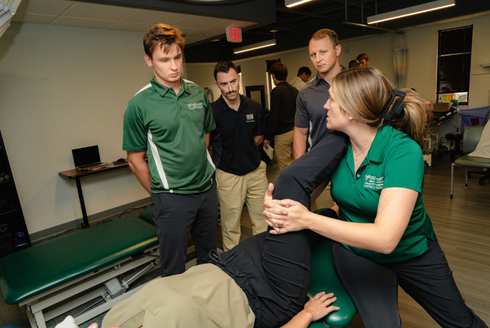
USF Health accelerated residency gives physical therapy students a head start on specialty training
Graduates of a Doctor of Physical Therapy (DPT) program have traditionally faced two choices: either enter the workforce immediately or spend another year or more in specialty training. At the USF Health School of Physical Therapy and Rehabilitation Sciences, students interested in orthopaedics have another option.