Residency Program
Overview
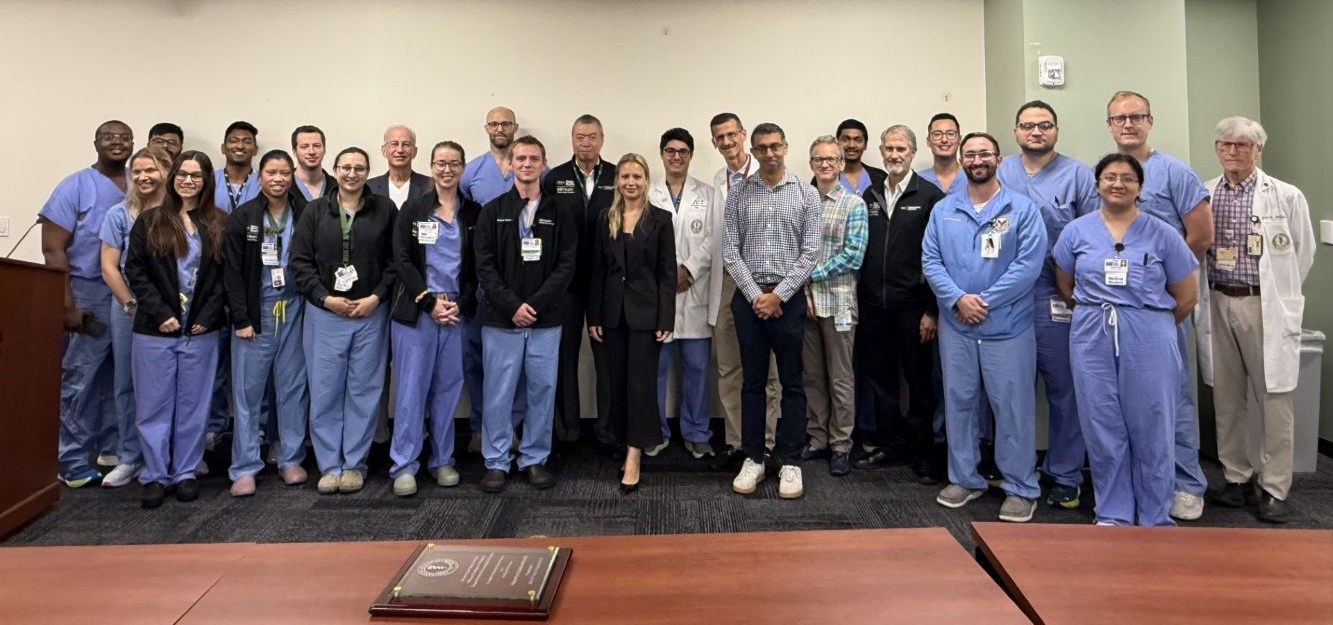
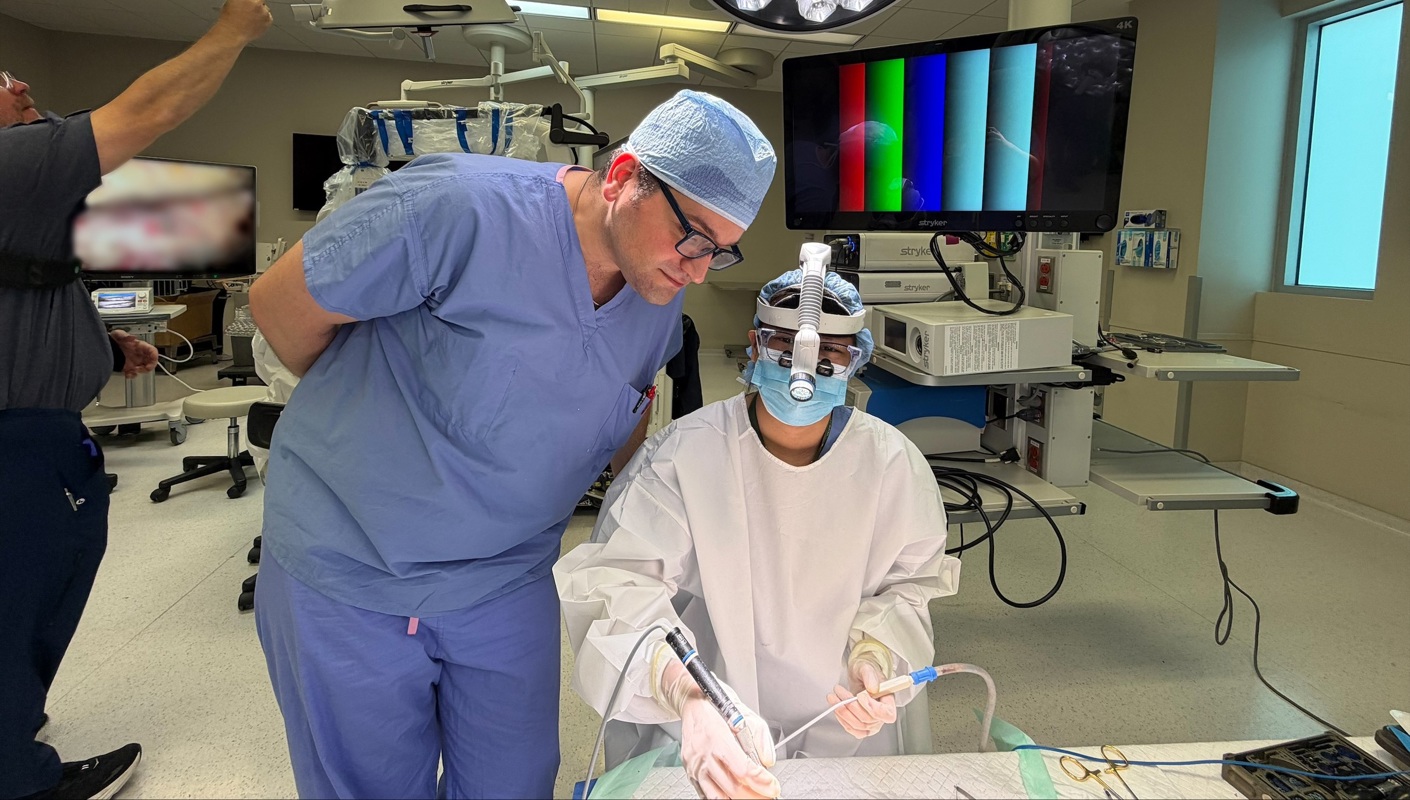
The Department of Neurosurgery, Brain & Spine at USF Health sponsors a fully ACGME-accredited residency training program in neurological surgery. Established in 1987 under the leadership of founding chairman Dr. David W. Cahill, the program has trained generations of neurosurgeons and continues to evolve to meet the needs of a growing patient population. The residency currently trains 16 residents and has recently expanded to accept three residents per year, with a planned complement of 21 residents when fully implemented. Residents rotate through four affiliated sites as part of their training, gaining broad clinical and surgical experience across the full spectrum of neurosurgical care.
Mission Statement
The mission of the Neurological Surgery Residency Training Program at USF Health is to produce highly competent and technically skilled surgeons, capable of treating a wide spectrum of disorders affecting the central and peripheral nervous system. In conjunction with the USF Health Morsani College of Medicine, we strive to create a scholarly environment that fosters excellence in the lifelong goals of education, research activity, and compassionate patient care. Residents will finish their training with a strong foundation of knowledge and skill in all neurosurgical sub-competencies, prepared to enter independent practice or pursue further focused fellowship training, and ultimately go on to become board-certified members of the healthcare community.
Program Aims
Train and prepare residents to be competitive applicants for advanced fellowships and/or independent practice.
Develop well-rounded, resilient neurosurgeons prepared for and capable of balancing the demands of their career with their personal goals. The ultimate intent being is to create a mutually beneficial relationship in which providers who are satisfied and fulfilled by their chosen profession will go on to provide the best possible care to patients for years to come.
Residents will model professionalism through their interactions with patients and colleagues. They will continuously demonstrate respect for others, adherence to ethical principles, and sensitivity to patients and colleagues of diverse backgrounds.
Residents will effectively collaborate with all members of the healthcare team, working as part of a multi-disciplinary cohort in order to provide the best possible care for patients.
Residents will develop and apply practice-based learning to critically review outcomes, question current practices, discuss current advancements, and ultimately identify opportunities to continuously improve patient standards of care.
Residents will be able to recognize how one's individual practice affects the larger context and system of healthcare, and in turn incorporate effective and efficient habits into their own practice in a manner that provides high-quality care that benefits the individual patient, and the system of healthcare.
USF Health Making Life Better
Program Leadership
-
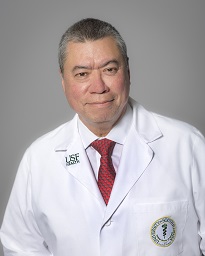 Harry van Loveren, MD
Department Chair
Harry van Loveren, MD
Department Chair -
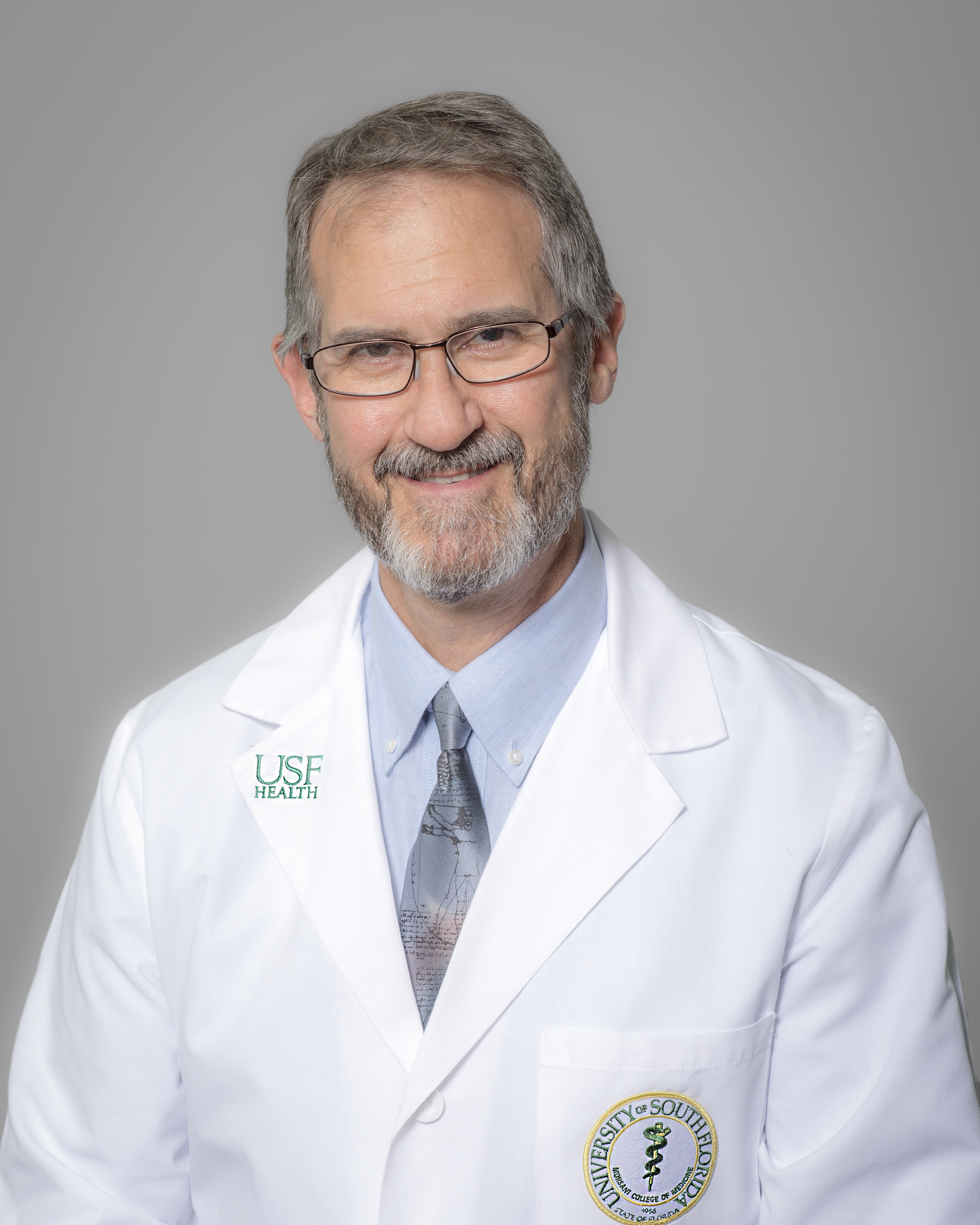 Mark Greenberg, MD
Residency Program Director
Mark Greenberg, MD
Residency Program Director -
 Kunal Vakharia, MD
Associate Residency Program Director
Kunal Vakharia, MD
Associate Residency Program Director -
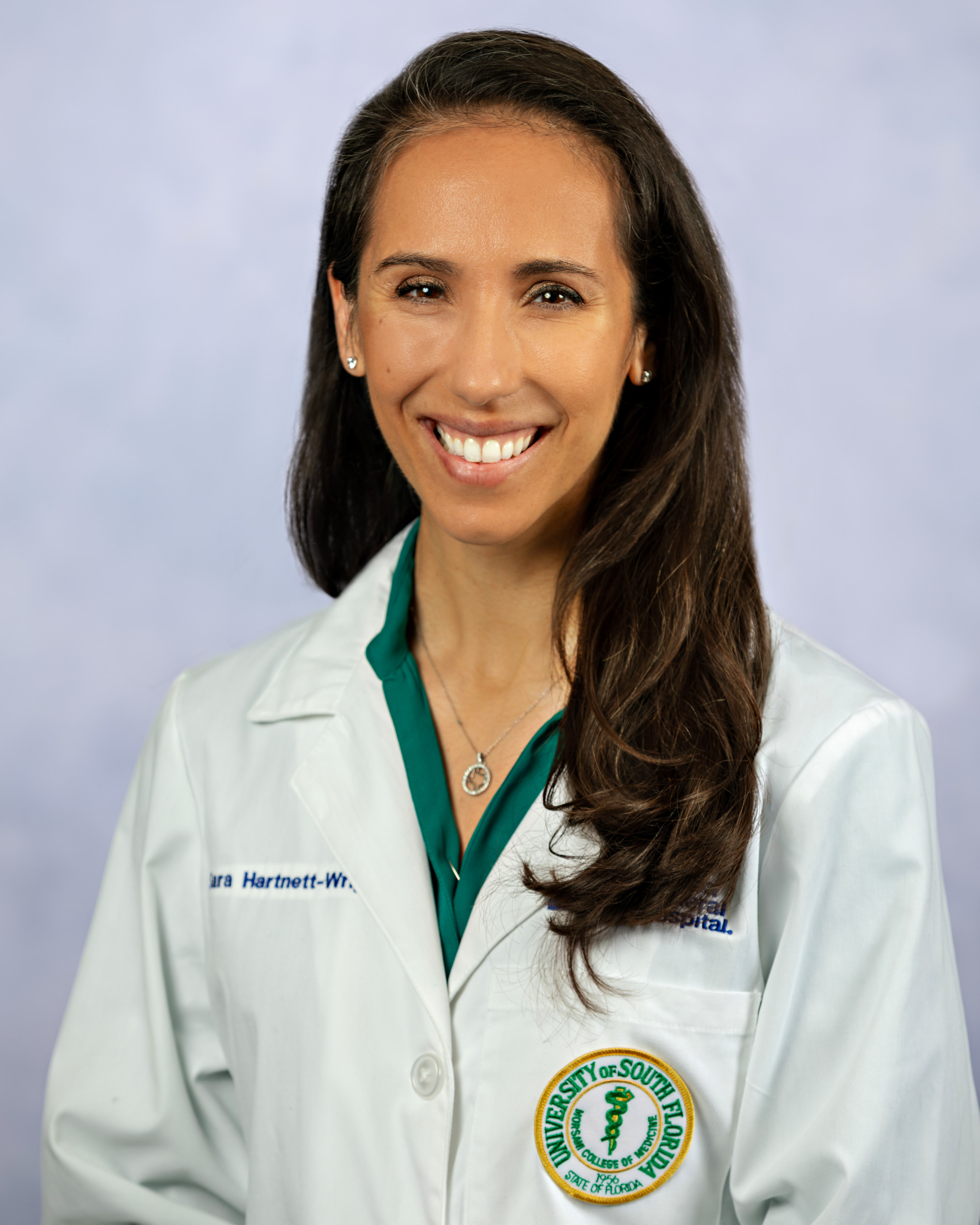 Sara Hartnett-Wright, MD
Assistant Residency Program Director
Sara Hartnett-Wright, MD
Assistant Residency Program Director
Program Administration
-
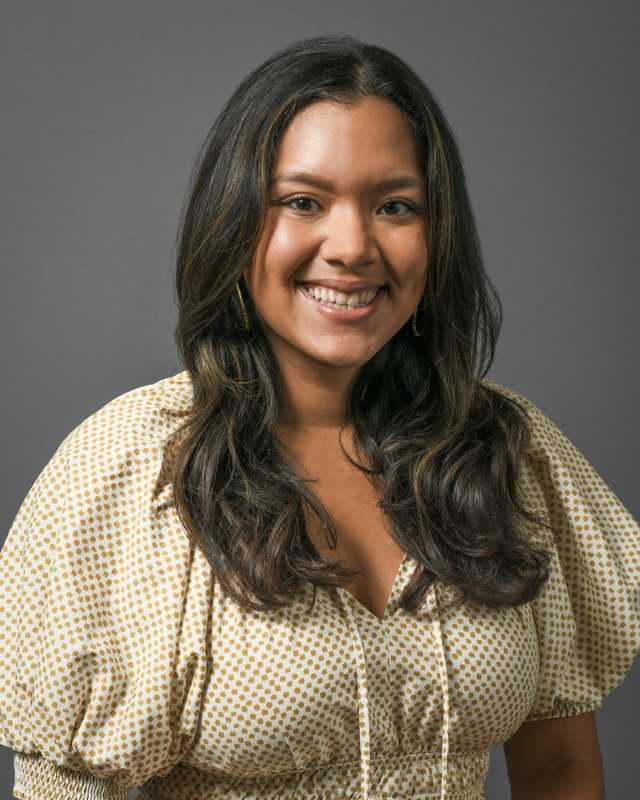 Michelle Campbell, MHA
Assistant Director of Residency & Fellowship Programs
Michelle Campbell, MHA
Michelle Campbell, MHAAssistant Director of Residency & Fellowship Programs -
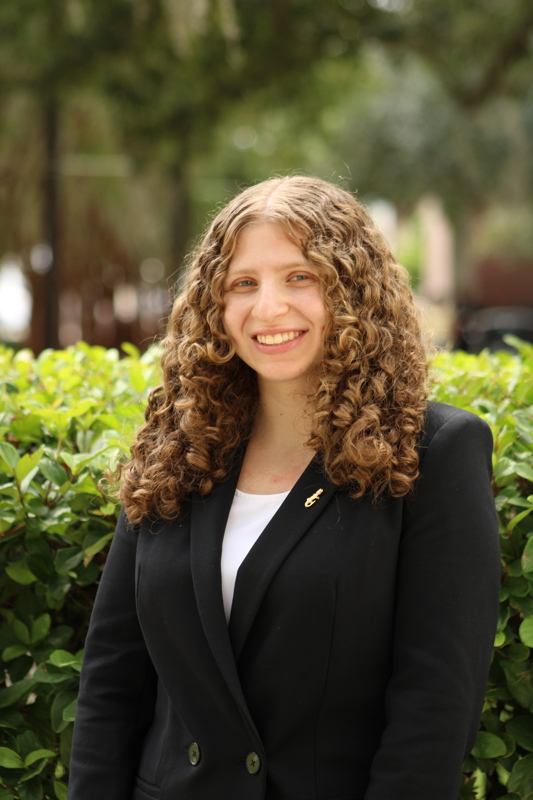 Helen Eisenberg, MHA
Medical Education Program Specialist
Helen Eisenberg, MHA
Helen Eisenberg, MHAMedical Education Program Specialist