Plastic Surgery
Lymphedema
Overview
Lymphedema is a chronic, progressive disease characterized by impaired drainage of lymph fluid, leading to debilitating swelling and soft tissue changes. Lymphedema affects up to 250 million people worldwide and usually affects the arms or legs. Patients may experience heaviness, pain, infections, and a discrepancy in the size of their limbs. In the United States, lymphedema most commonly occurs due to breast cancer, but may be due to other cancers including sarcoma, gynecologic cancer, and cutaneous malignancies.
Clinical Content
Prevention of Lymphedema
Patients undergoing removal of axillary or groin lymph nodes for treatment of their cancer may benefit from preventative lymphedema surgery. Our highly trained surgeons find tiny lymphatic channels that have been cut during the removal of the lymph nodes and connect them to nearby veins in order to re-establish the normal flow of lymphatic fluid away from the arm. This procedure is called immediate lymphovenous bypass.
Treatment of Lymphedema
Patients who suffer from lymphedema may be candidates for one of multiple procedures to treat lymphedema. Our team will perform specialized imaging to evaluate the current status of your limb. A treatment plan will then be developed based on your anatomy and the characteristics of your disease. Treatment options could include robot-assisted lymphovenous bypass, vascularized lymph node transfer, vascularized lymph vessel transfer, liposuction, or excision.
Conditions & Treatment
Prevention of Lymphedema
- Immediate lymphovenous bypass
Physiologic Treatment of Lymphedema
- Delayed lymphovenous bypass
- Robotic-assisted lymphovenous bypass
- Vascularized lymph node transfer
- Vascularized lymph vessel transfer
Ablative Treatment of Lymphedema
- Liposuction
- Excision
Why Choose Us?
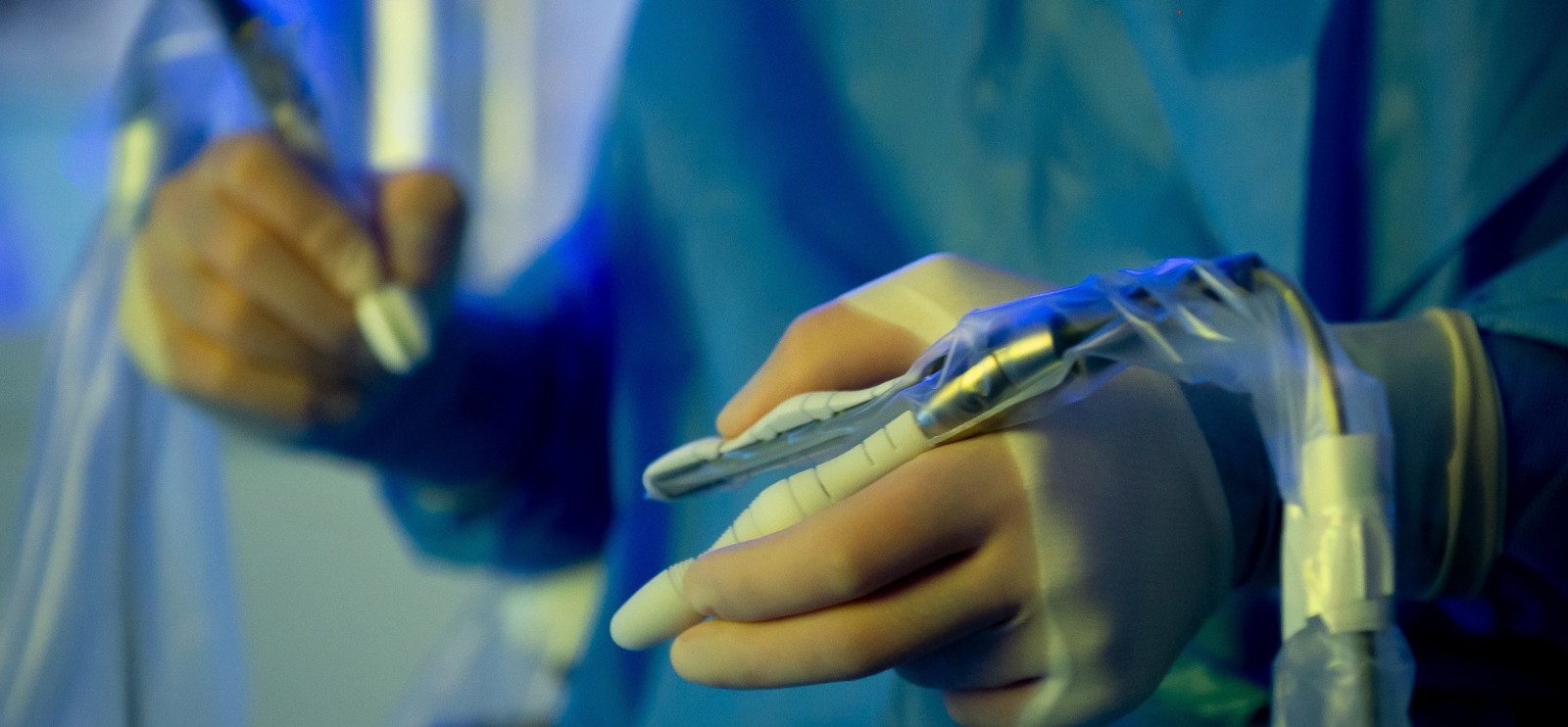
Our teams of specialized microsurgeons and certified lymphedema therapists work collaboratively to create a treatment plan tailored to each individual patient. Our team uses the lates technology in screening, imaging, and treatment of lymphedema, including use of the Symani robotic system.
What to Expect
Once you are scheduled for a consultation, you will be evaluated by our expert team, including a certified lymphedema therapist and a fellowship-trained reconstructive microsurgeon. Collaboration with other subspecialities may be required on a case-by-case basis.
Learn More About Robotic Lymphatic Microsurgery
The Symani® Surgical System represents a major advancement in lymphedema care. USF Health continues to lead the region in innovation by incorporating robotic microsurgery into our lymphedema program.
This technology allows us to offer more precise, less invasive surgical solutions that can make a meaningful difference in the lives of those affected by lymphedema.
This robotic platform enhances the surgeon’s natural dexterity and eliminates hand tremor, enabling more accurate suturing and vessel manipulation than traditional manual techniques. As a result, robotic-assisted lymphatic surgery has the potential to improve patient outcomes, shorten recovery time, and expand access to advanced surgical options for patients who were previously not considered candidates for microsurgical procedures.
Benefits of robotic lymphatic microsurgery with the Symani system include:
Enhanced surgical precision for delicate lymphatic and venous connections
Improved visualization and magnification of microscopic structures
Minimized surgical trauma, preserving surrounding tissues
Expanded patient eligibility for microsurgical procedures
Increased consistency and accuracy in complex surgical tasks
Potential for shorter recovery times and better long-term outcomes
Improved overall quality of life for patients with chronic lymphedema